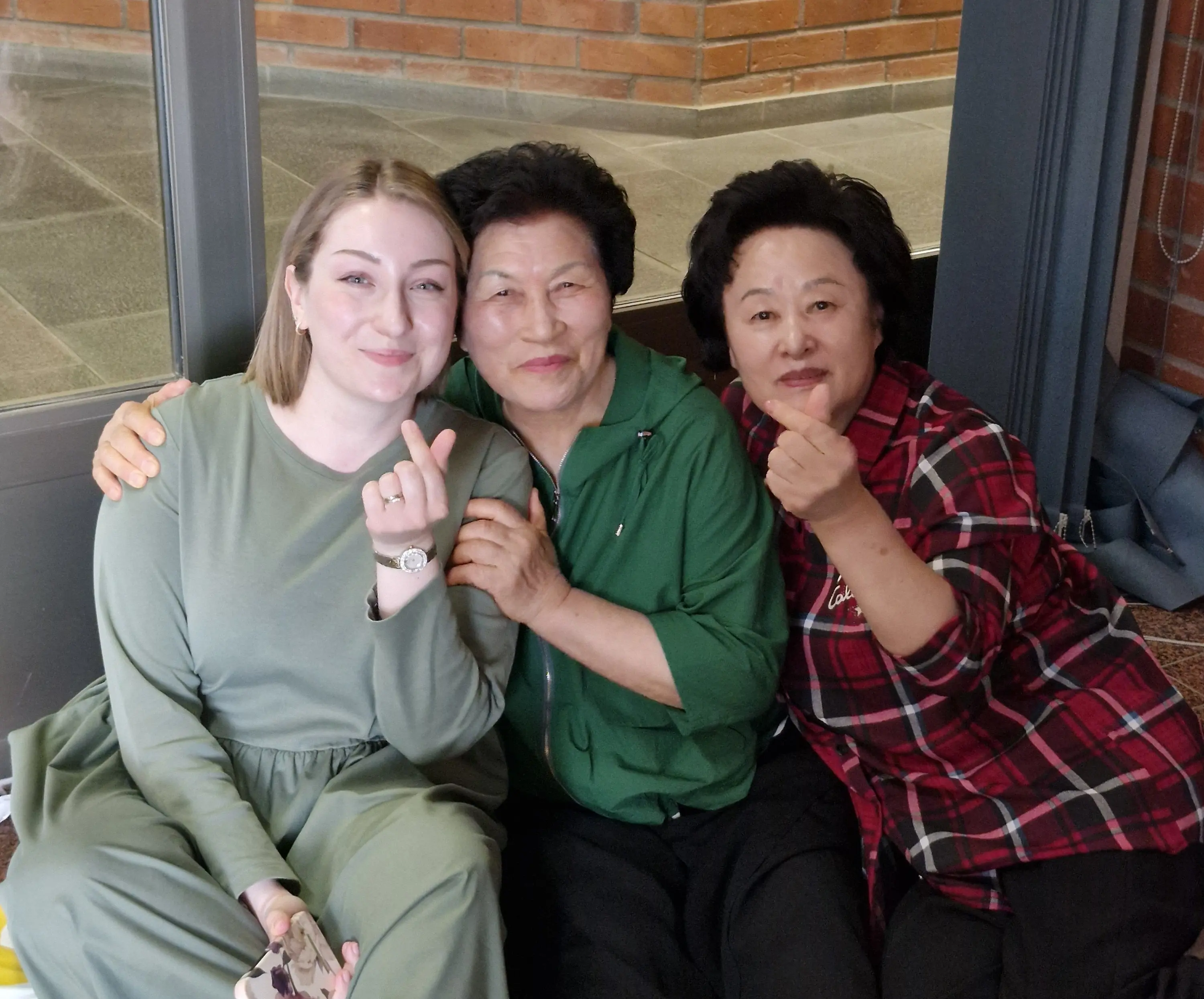
Fragments of an Encounter with the Korean Mothers of Sharing
Ten mothers, fifty years of sharing
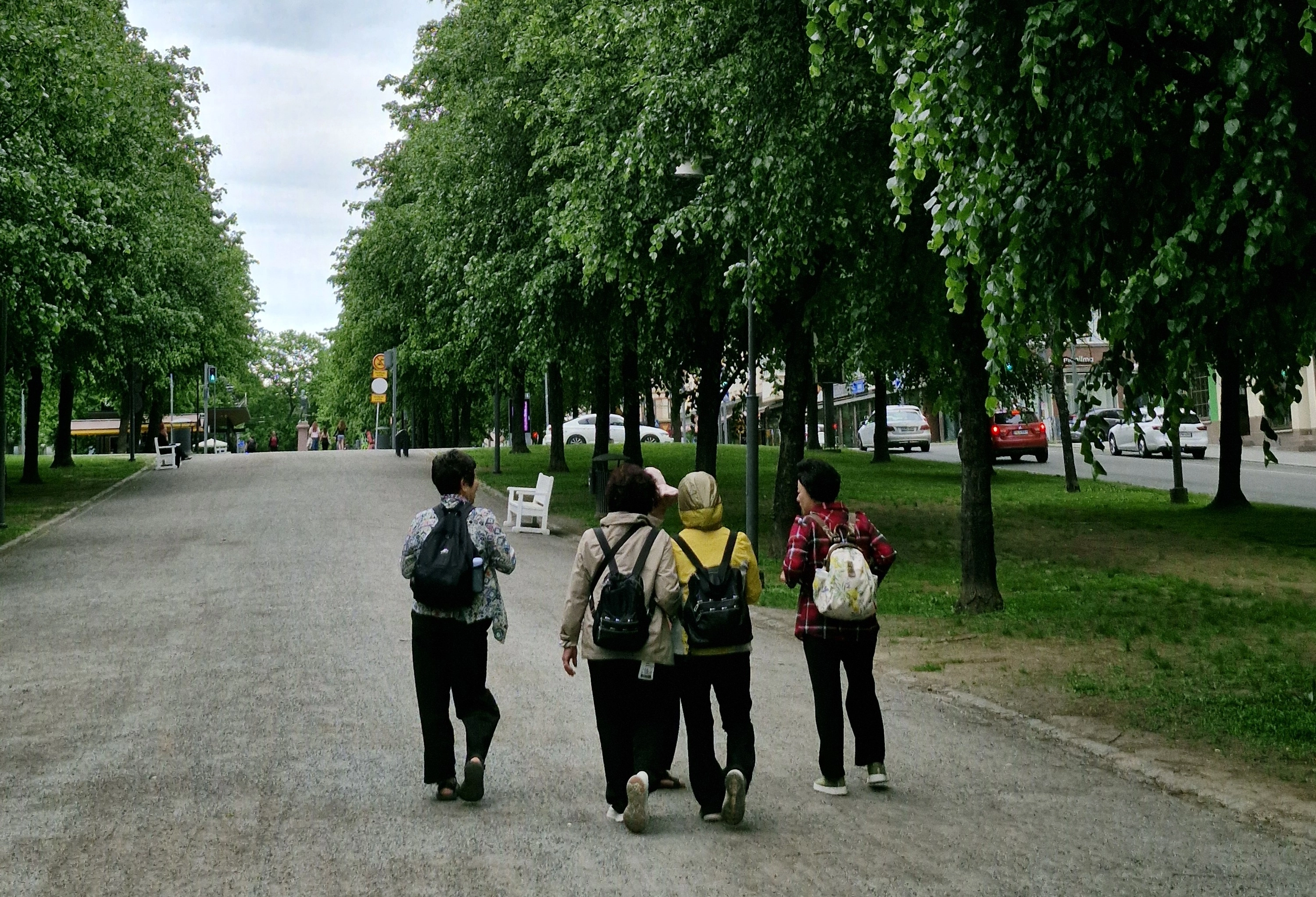
There are encounters that happen quietly, yet they leave a lasting warmth. A few days ago, here in Tampere, our association IWK hosted 10 mothers who traveled all the way from South Korea. I had the privilege of spending time with them during their visit, listening to their journeys, and discovering the heart behind a beautiful word: 나눔 (Nanum), meaning "sharing." Hearing a life story of one of Korean mothers nearly seventy years old moved me deeply. In a world that often feels hurried and disconnected, their simple, disarming kindness felt like a reminder of what community truly means. Sometimes life gives you unexpected gifts and brings extraordinary stories just a few steps from home.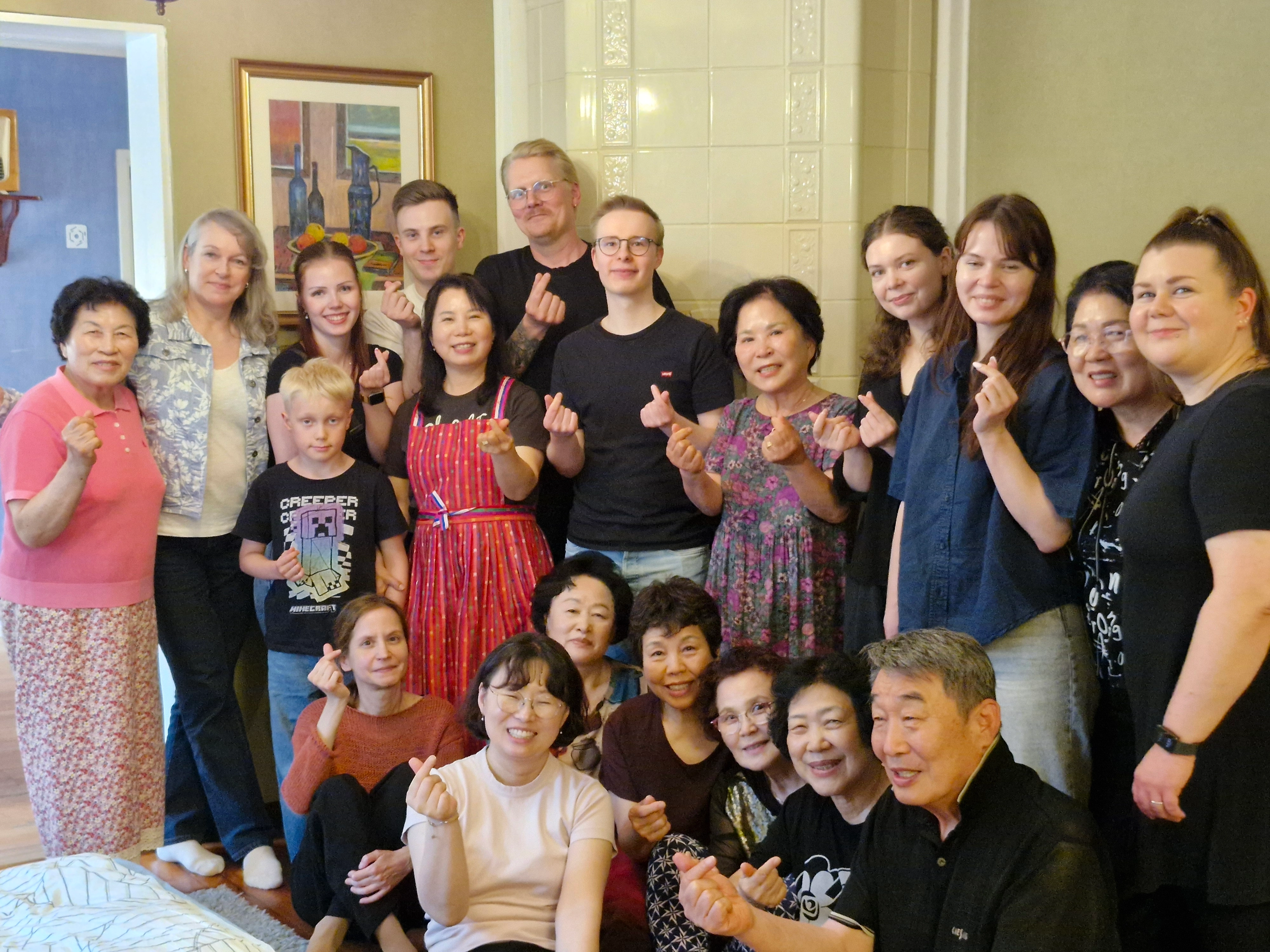
In South Korea, there is a beautiful word: 배려심 (Baeryeosim). It is not just a concept of courtesy; it is the deep capacity to feel another person's pain under your own skin, to the point of no longer seeing any difference between yourself and them. During the days spent together with these mothers, I understood that this word shares their very likeness. Next year, their large volunteer family will celebrate fifty years of life. It is an extraordinary volunteer network, yet there are no large corporate grants or modern offices backing it. There is only what they call "the voluntary joy of the heart."
One of the mother who leads this volunteer group told me, with a veil of sweet emotion in her eyes, of how about thirty-three years ago her life was enclosed within the boundaries of her home. Then, one day, she found the courage to open that door and take a step out into the world to help those in difficulty. From that moment on, the suffering of others became her own.
First to arrive at every disaster
When the earth shakes, when rivers overflow, or when forest fires sweep away villages in Korea, these women are always the first to leave. "We go where it hurts, we go first", she would tell me with a naturalness that takes your breath away. They organize themselves into non-stop rotations for months at a time. Arriving with their specialized trucks, they bring more than just hot meals. They bring mobile laundry units to restore the dignity of clean clothes to those covered in mud or ash, and small carts that distribute hot tea. In the middle of a disaster's chaos, that cup of tea becomes the only steady thing to hold onto just to breathe again.
The best meal in Seoul is free
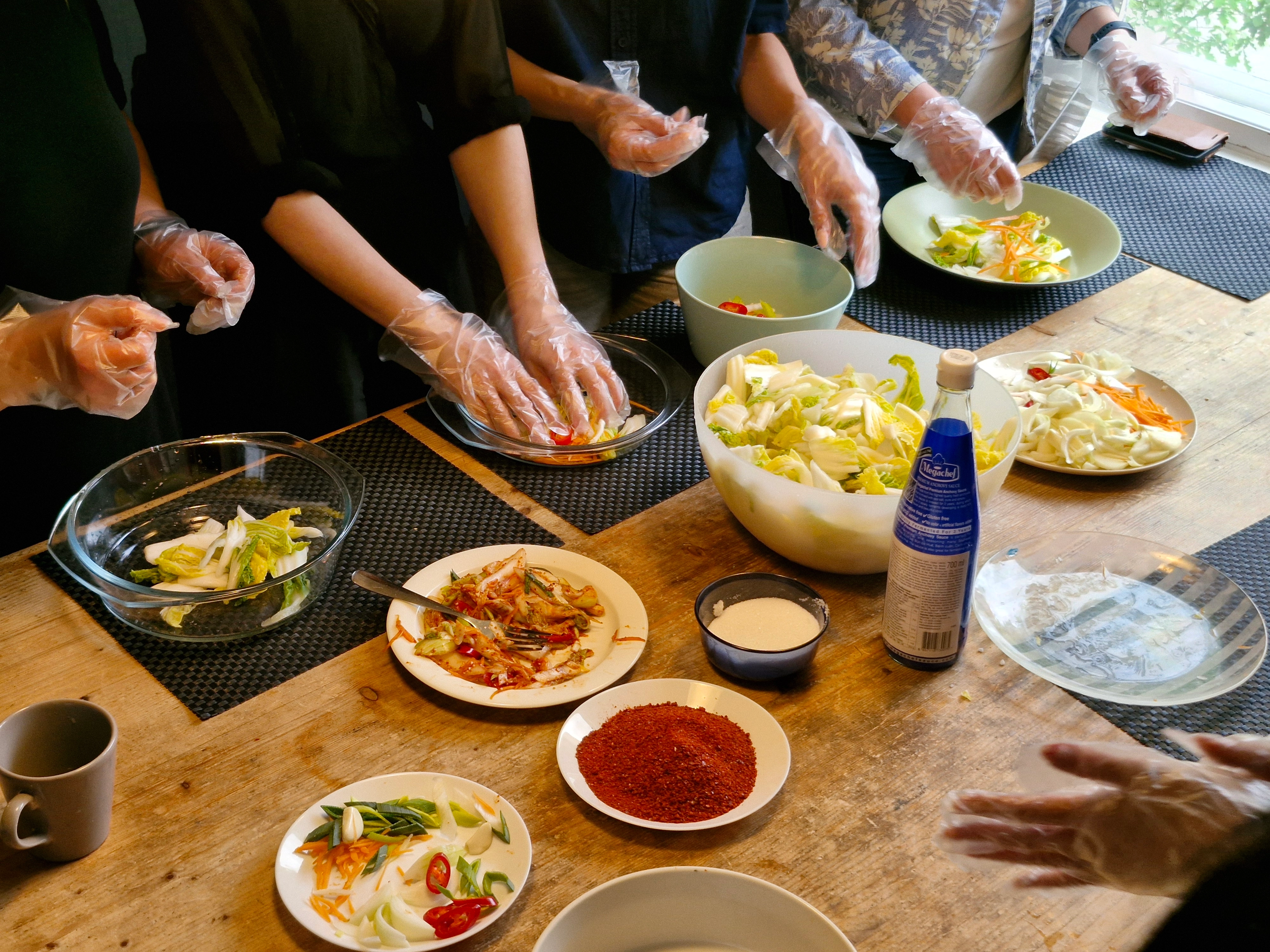
What touched my heart the most is that this immense machine of care never asks for a single penny: it is sustained literally by the hard work and love of these mothers. They spend entire nights, peeling mountains of anchovies and preparing traditional kimchi, later selling these goods in community marketplaces. In April, they organize flea markets, gathering donated clothes and shoes to resell them for a few coins. They do this so that even those with very little can buy what they need with their heads held high, feeling like a respected customer and not a beggar. Those few coins then become the groceries for hot meals dedicated to the elderly living alone and the disabled. It is an invisible chain where no one is left behind.
This extraordinary kindness even reaches into the darkest places, where society often refuses to look: behind prison bars. Twice a month, the volunteers pass through those heavy gates. They do not bring judgments; they bring a birthday cake. They sing and clap for those celebrating their birthdays that month, and look upon one another with warmth and compassion. This is a pure expression of love in action. They also leave a small amount of money in their custody funds, just enough to buy a cup of coffee at the commissary. It is a way of whispering to those incarcerated: we see you, you are still part of our human family.
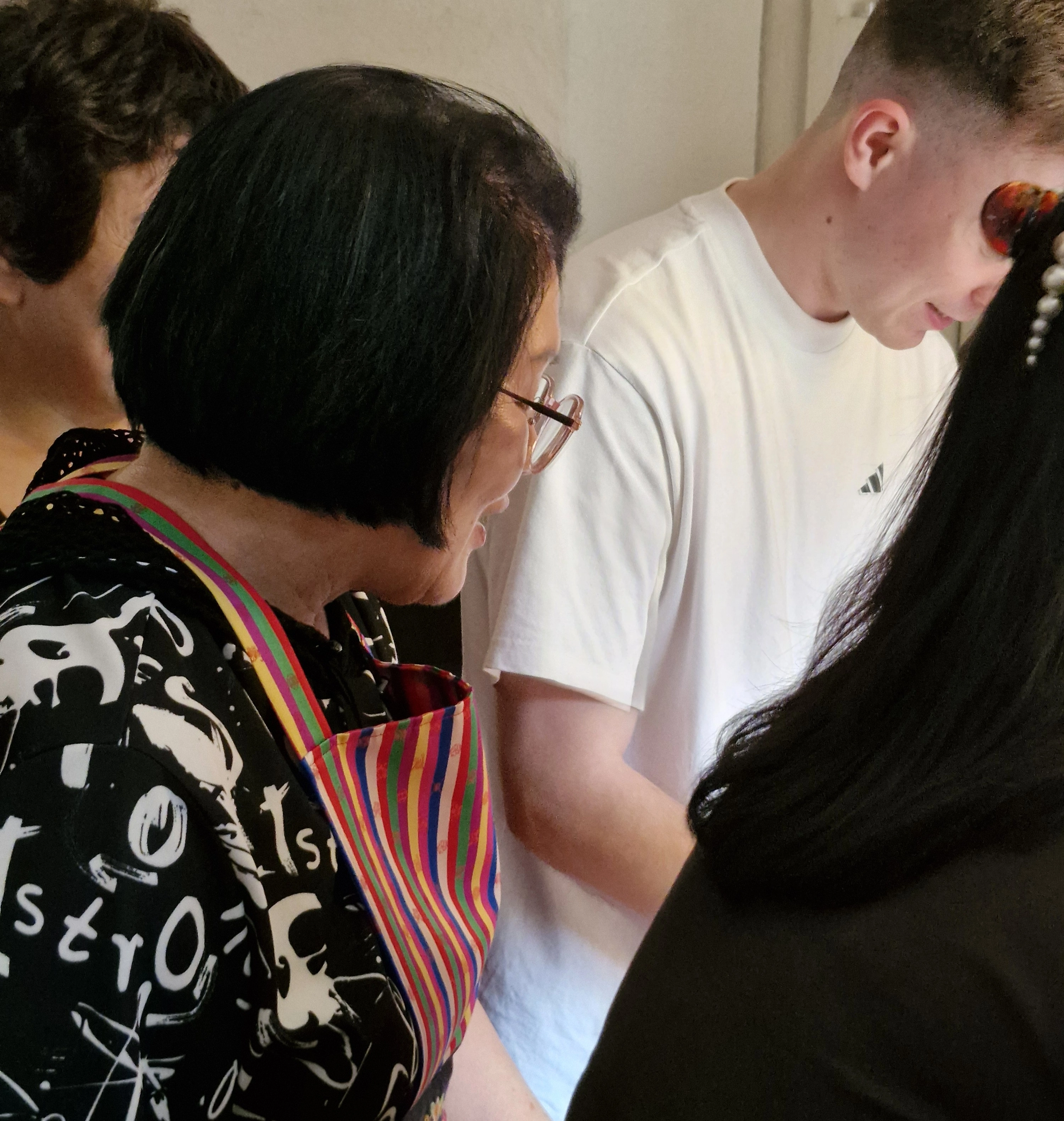
And then there is Wednesday at Seoul Station, where the homeless line up for a hot meal. There, among the platforms, a whisper goes around among those who are hungry: the Wednesday lunch, the one made by the women of Nanum, is the most delicious of all. The leader told me this with a smile that lit up her whole face, sharing how they do not just fill a bowl; they choose the best side dishes and the freshest ingredients. Because the way you prepare a dish shows how much dignity you recognize in the person who will eat it.
Care Without Borders
Today, those same smiles travel across the globe alongside doctors from a partner university's medical team, bringing medical care and hope to the poorest countries, carried by the simple belief that under the same sky, we are all one large family. Seeing them depart left me with a deep sense of gratitude and a quiet reflection that stays with me. Their story is made of fifty years of cleaning anchovies by hand, of wiping away tears, and of large pots steaming at dawn. Toward the end of our conversations, the voice of this elderly leader grew soft: she explained to me that volunteering was never a duty, but the greatest gift of her life—the only path to understanding that selfishness isolates us, while caring for others heals ourselves.
When you step back into your daily routine, try carrying a piece of Korean mothers whose life principles is in sharing is caring perspective with you. Remember that connection begins with a single step toward someone else. If you notice a tired face or a heavy heart today, don't look away. It takes very little to soften someone's day—offering a quiet ear, sharing a simple cup of coffee, or just letting them know they aren't carrying their burdens alone.
Written by Beatrice Ylitalo